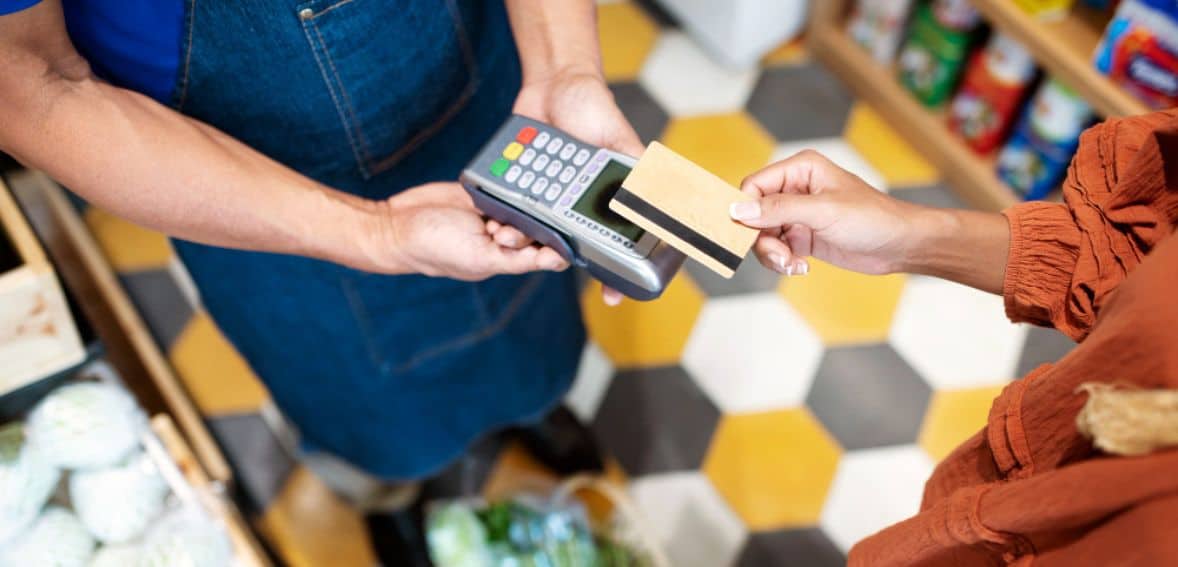
Faster checkout is one of the key components of c-stores that boosts consumer satisfaction to a tremendous level. Customers visit c-stores expecting quick purchases and even quicker payments. Delays at the checkout counter will lead to increased levels of frustration that will turn an easy visit to a convenience store into a bad experience altogether. In an environment where consumers are making small transactions that are time-sensitive, every second at the checkout counter has to be considered carefully.
Why Waiting Feels Worse at the C-Store Checkout
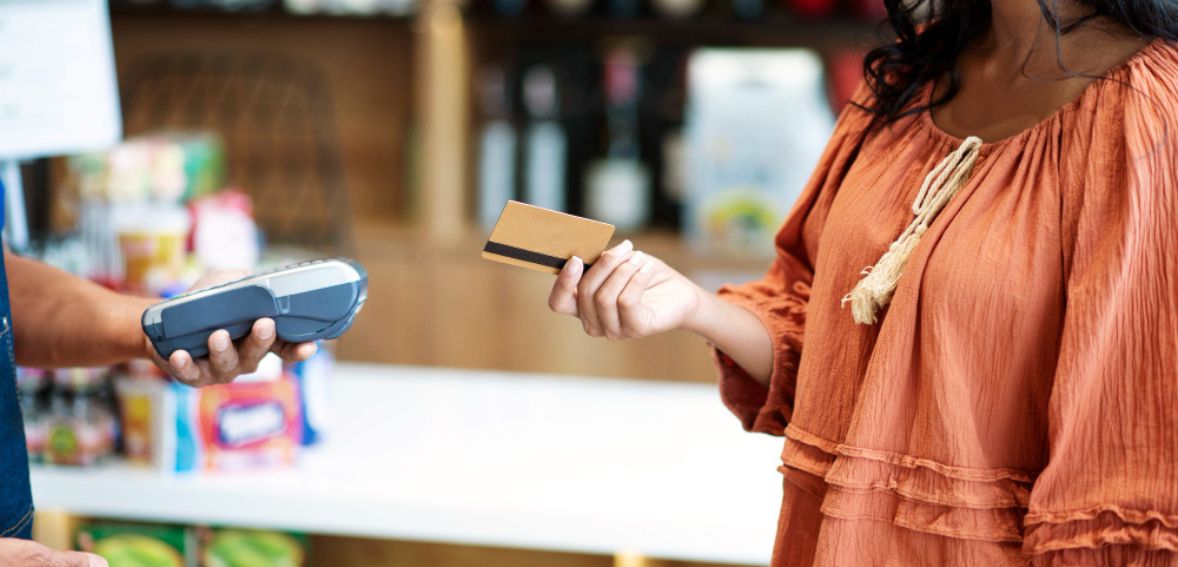
In a convenience store checkout, the perceived waiting time is often longer than the actual waiting time. In a situation where the movement in a line appears to be slow and there is no perceived progress, consumers find themselves in a situation where they feel as though they are being held back. Even a momentary delay in the process feels like an extended duration if consumers are not aware of the remaining time.
Most shoppers also have a natural dislike for standing in line. In a c store, with fast and possibly impulse buys, the mere thought of a small line may cause consumers to abandon their purchase and walk out. Perceiving another consumer waiting in a register sends a message that checkout is going to be time-consuming, and that alone will be enough to abandon a purchase.
The end of the transaction is what matters most in creating a good impression for the consumers. It does not matter how clean the establishment is if the checkout is slow and confusing. Consumers tend to view their overall experience based on how they end. A smooth checkout experience results in a positive ending for the consumers.
Waiting to pay also creates quite a stress because customers want to finish their purchase and move on, especially during busy hours or short breaks. Each extra second at checkout increases frustration and raises the chance they will abandon the purchase or avoid the store next time. If the payment is swift and easy, customers will be more composed, feel more in control, and be more likely to come again. In a c-store, smooth checkout is much more than a matter of speed; it directly influences trust, repeat footfall, and overall sales.
Impact of Billing Speed on Revenue

The speed of billing affects how much money a c-store makes each day directly. When checkout is taking too long, customers will quickly lose their patience, particularly for small and impulse purchases. Many shoppers walk in planning to buy just a few items, and leave those items behind if the line looks slow. Of course, the immediate loss is the sale itself, but the bigger damage to trust will be to a customer who is already damaged, a customer who walks away once is less likely to come back the next time.
Slow billing has also been found to affect the revenue generated by the stores. A mere waiting time of two to three minutes at the payment counter reduces the number of transactions that are performed on that day. The checkout time also affects whether customers become repeat visitors. No one likes to shop in a store where lining up to pay becomes the norm. Loyal customers can readily switch to another store that is close by if they know that there will be a long line to pay. However, customers will feel comfortable if they know that everything will take a shorter time. Thus, customers will be attracted to stores where checkout goes quickly.
The speed of billing also affects the quantity of purchases made by the customers. Customers are likely to throw more items into the shopping basket if they are certain that they won’t be left waiting for a longer period in line. The speed of billing removes stress that prompts impulse buying.
Psychological Triggers That Make Billing Feel Faster

Billing may seem slow, not necessarily because it actually is, but because the customer can’t view the progress that is being made. It’s amazing how some simple progress indicators will make a world of difference to a customer standing in a c-store checkout line. When progress is visible on the screen, an individual will feel more assured.
Firstly, a clear, organized queue direction does matter. The more people know exactly where to stand, where to pay, and what happens next, the more in control they will feel. Confusing lines, unclear signs, or mixed-up payment flows make people’s perceptions of a wait longer than it actually is. A clean, guided checkout path puts them at ease and reduces irritation.
Line architecture plays a major part in how fast the billing process feels. Generally speaking, one moving line is considered fairer and quicker than several small lines. When using different lines, customers are concerned about the possibility of choosing the slowest line. A single line keeps everyone in order moving forward, reduces second-guessing, and forms a continuous sense of progress that is rewarding.
Thirdly, digital displays showing which counter or payment terminal is available help to reduce anxiety. Visibility of one’s turn approaching makes waiting easier. These screens signal order and efficiency and remove the stress of guessing when they will be called.
Finally, mobile queue tokens take this a step further by removing the need to stand in line at all. Customers can browse, grab another item, or simply wait comfortably while their turn approaches. When people are not physically stuck in a line, the mental weight of waiting almost disappears, making the billing experience feel much faster.
Practical Ways to Speed Up Checkout Payments in Convenience Stores
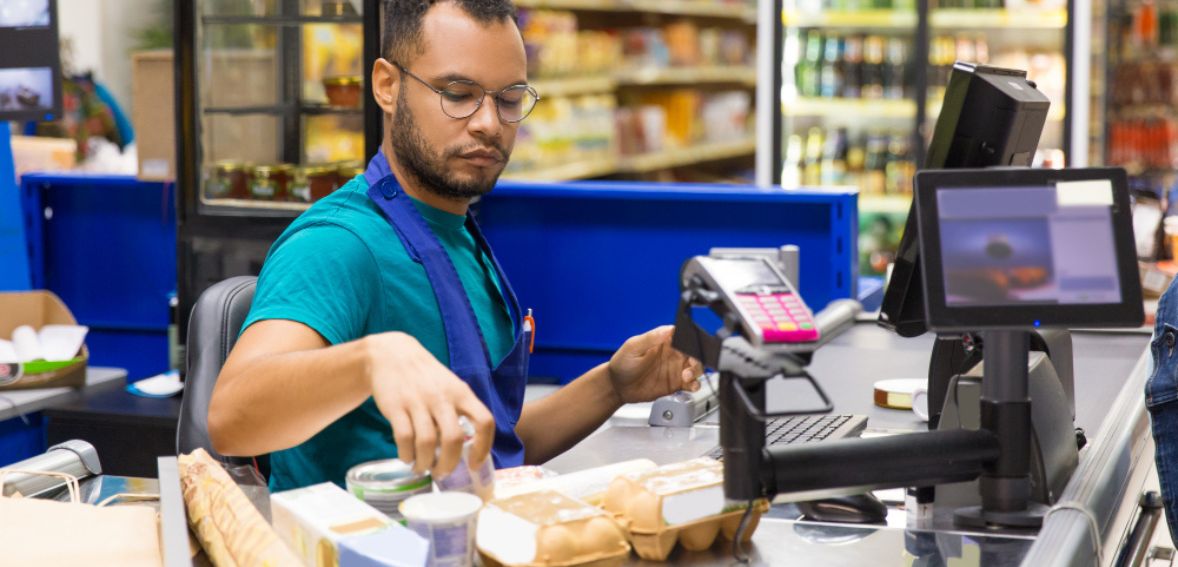
A faster checkout starts with a well-organized counter. If everything required for billing is within easy reach, the process flows smoothly. Barcode scanners, card readers, receipt printers, and weigh scales should be logically placed so cashiers do not have to move around or search for tools. Less movement translates into fewer delays and fewer mistakes, which keeps the line moving.
Secondly, using a modern touch screen system makes billing faster and easier. Items tapped onto a clear screen are far quicker than typing in prices or going through long lists of stock. A clean, easy interface means staff will move confidently through any transaction; customer-facing screens reduce confusion during payment and approval.
Thirdly, one of the biggest time-saving techniques in the checkout process is scanning a barcode. It is much faster and more accurate than keyboard input. It prevents inconsistent price scanning, interruptions, and customers waiting with problems to be resolved during the scanning process.
Next, the speed of the checkout lines can be accelerated if employees have information on common purchasing patterns among consumers. Awareness of common item sets enables and encourages quick checkout to make recommendations automatically. Providing customers with access to commonly bought goods near the checkout lines eliminates delay in decision-making and enables quick impulse purchasing.
Additionally, stocking issues make the checkout process slower than expected. This is because if a certain item is out of stock, the checkout staff has to clarify, fix, or cancel the process on the item that is out of stock.
Let’s not forget that age-restricted transactions might increase queues if processed manually. Improved verification methods ensure shorter waiting times and adherence to regulations simultaneously. Thus, genuine shoppers are not faced with inconvenience when paying when this process takes place.
Handling of the receipt also impacts speed. Fast printing and the option for digital receipt issuance ensure there are no waiting intervals after a transaction. In a case where the customer does not have to wait for the paper receipt, the next transaction can immediately begin.
Finally, the confidence of the staff members affects the speed of the checkout process. Trained staff members work faster, are more accurate, and are able to complete payments calmly. When staff are comfortable with the system and the flow, customers feel it, and checkout becomes quicker and more pleasant for everyone.
Trends for the Future of Retail Check-Out Systems for Convenience Stores

The way people check out at convenience stores is undergoing a rapid transformation. As expectations rise, stores are looking for smarter ways to reduce wait times, control costs, and keep customers coming back.
One huge trend underway is automatic checkout. This allows a customer to simply walk in and grab items, then leave, without having to stand in line. The system automatically detects the products, calculates the total, and processes payment in the background. For busy convenience stores in high-traffic areas, this kind of self checkout removes delays completely and truly supports grab-and-go shopping.
Another fast-growing trend is the utilization of smart devices throughout the store. Sensors and connected systems track stock levels, customer movement, and congestion at checkouts in real time. When lines begin to build, workers can take swift action or open up another checkout point. This is how bottlenecks can often be avoided even before customers realize they are about to occur.
Thirdly, biometric means of paying are also making waves. Allowing payment using fingerprints or by recognising the face, customers are able to pay both card-free and phone-free. Methods that feel fast and secure reduce friction at the counter. For a convenience store, this means quicker transactions with fewer steps during payment.
In all, the future of c-store checkout is about the elimination of unnecessary steps, reduction of waiting, and making payment as frictionless as possible. Stores that adopt these trends early will be better prepared to meet customer expectations and stay competitive in a fast-moving retail environment.
Conclusion
Speed at checkout is no longer an option for the convenience store. It is integral to the customer’s experience and a key driver of revenue. Quickly and smoothly processed payments mean less stress for the customer, who then confidently spends more and is eager to return.
Quicker checkout payments assist a store in managing its peak hours more effectively and run the operation smoothly without requiring additional employees. In the market where everything revolves around the issue of speed, improving checkout payments is one of the easiest, most effective ways to stay competitive for growth.
FAQs
Why is checkout speed important in convenience stores?
Faster checkout lines ensure reduced wait time, enhance customer satisfaction, prevent walkouts, boost daily transactions, and promote regular visits from the busiest consumers.
How does slow checkout affect store revenue?
A slow checkout process will result in more cart abandonments, fewer impulse buys, lower customer trust, and more inclination towards the faster rival convenience stores in the surrounding areas.
Which payment options facilitate faster checkout?
Contactless payments, cards, mobile wallets, and quick cash handling make it easier for customers to complete transactions quickly.
Does faster checkout increase customer loyalty?
Absolutely. Easy and streamlined payments mean customers have a positive experience and tend to come back.
Can checkout speed improve staff efficiency?
It results in faster checkout, which enables workers to serve more customers within an hour. This helps to ease congestion during peak hours. Additionally, workers feel confident handling many customers.