By cstorepayments December 17, 2025
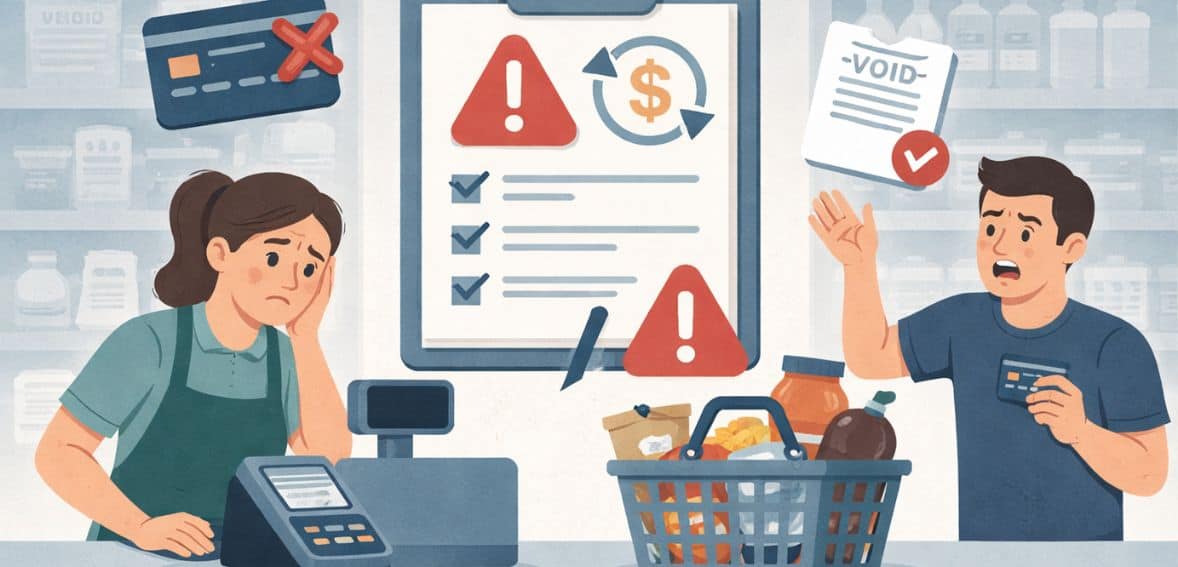
One of the most underappreciated risks that convenience stores now face is chargebacks. Chargebacks subtly reduce profitability, raise processing costs, and strain ties with payment providers in convenience retail, where margins are already narrow. Convenience shops frequently see chargebacks as unusual occurrences, in contrast to major online retailers that anticipate some degree of disputes.
In reality, they are growing more widespread as contactless purchases, digital payments, and self-service experiences grow. Chargebacks are more difficult in convenience stores because of their frequency-to-value ratio. Small-ticket products are frequently involved in disputes, but the operational costs of resolving them frequently outweigh the initial sale.
It is now necessary to understand the reasons behind chargebacks and how to avoid them. It is a critical part of protecting revenue, maintaining compliance, and sustaining long-term viability in a fast-moving retail environment.
Understanding What a Chargeback Really Is

When a consumer challenges a card transaction with their bank rather than dealing with the business directly, it’s known as a chargeback. The money is taken out of the retailer’s account while the bank temporarily reverses the transaction and looks into the claim. Convenience businesses may find this unexpected and perplexing, particularly if the transaction was swift and uneventful.
Chargebacks are official complaints subject to card network regulations rather than just reimbursements. Fees, paperwork requirements, and other fines accompany every chargeback. A merchant may be placed in high-risk monitoring programs, have their processing charges raised, or even have their account terminated if they get too many chargebacks. The first approach to efficiently handle chargebacks is to recognize them as a system-level problem rather than discrete client complaints.
Why Convenience Retail Is Uniquely Vulnerable
Convenience retail functions at the nexus of anonymity, volume, and speed. Consumers anticipate simple payments, quick checkouts, and little contact. Conflicts are more likely to occur in this setting. Particularly at petrol pumps and self-checkout kiosks, transactions are frequently card-present yet unattended.
Staff may not have enough time to check information, and receipts may be rejected or forgotten. Also, a lot of purchases are made on the spur of the moment, which may subsequently cause buyer’s regret. Additionally, convenience shops cater to a transitory customer base, which complicates post-transaction settlement. Convenience stores are particularly susceptible to chargebacks due to these variables, even in the absence of fraud.
Friendly Fraud as a Leading Trigger
Friendly fraud is one of the most frequent reasons for chargebacks in convenience stores. When a real consumer protests a transaction, they actually approved, this happens. Because the business name looks differently than expected, the client frequently fails to notice the charge on their bill.
Confusion may result from a purchase made at a corner store or petrol station appearing under the corporate or parent business name. The client initiates a chargeback by contacting their bank rather than the retailer. Although friendly fraud is expensive, it is rarely malevolent. This kind of argument may be greatly decreased with clear billing descriptions, visible receipts, and employee training on client communication.
No-Receipt Transactions and Disputes

Although many convenience store patrons reject receipts, they are essential for settling disputes. Paper receipts are frequently thrown away, and digital receipts are not always available. The lack of a receipt makes it more difficult for the merchant to reply when a client subsequently queries a charge.
Lack of paperwork casts suspicion on the bank. Convenience stores can enhance dispute resolution by promoting receipt acceptance or providing digital receipt choices. Simple signs encouraging consumers to save their receipts can have a significant impact. Although it doesn’t completely stop chargebacks, documentation helps the business in disputes.
Card-Present Fraud at Fuel Pumps
Card-present fraud is still a major concern at fuel pumps. Criminals can take advantage of unattended transactions, corrupted terminals, and skimming devices. The real cardholder rejects the transaction when a pump uses stolen card information, and the shop bears the loss.
Although some fraud has decreased due to the use of EMV chips, not all pumps have been completely modernized. Furthermore, magstripe use and fallback transactions continue to happen. Pump security, routine inspections, and EMV compliance must be given top priority by convenience stores. One of the best strategies to lower chargebacks associated with illegal conduct is to avoid fraud at the pump.
Contactless Payments and Customer Confusion
Because contactless payments are quick and simple, they are becoming commonplace at convenience stores. They may, however, also result in disagreements when clients are uncertain about the success of a deal. Chargebacks may result from unintentional taps, double taps, or apparent multiple charges.
Customers might not stop to check confirmation displays in busy environments. Confusion is lessened by staff awareness, audio affirmations, and clear terminal prompts. Customers’ trust is strengthened, and the possibility that ambiguity would later escalate into a disagreement is decreased when they are informed at the point of sale.
Self-Checkout and Unattended Transactions

Unattended kiosks and self-checkout terminals increase efficiency but decrease human monitoring. Customers may finish the purchase and then contest it if they encounter mistakes, miscommunications, or scanning problems. This risk is rising at convenience stores, where self-service is expanding.
It is crucial to provide visible help options, timely error messages, and clear directions. When customers feel assisted throughout the transaction, they are less inclined to contest costs. Unattended need not equate to mismanaged; careful planning minimizes conflict.
Inconsistent Staff Training
In convenience stores, employee turnover is frequent, and chargebacks are a result of uneven training. Workers might not fully understand dispute resolution methods, refund policies, or how to handle client complaints.
A consumer is more likely to escalate the matter through their bank if they feel ignored or confused at the point of sale. This risk is decreased by standardized training on handling payments, communicating with customers, and resolving problems. Conflicts are avoided before they start when staff members can de-escalate issues in real time.
Poor Refund and Return Experiences

One of the main causes of chargebacks at convenience stores is unsatisfactory refund and return policies. Consumers frequently believe that refunds are difficult or impossible to get, particularly for products like petrol, alcohol, tobacco, or prepared meals. Frustration soon grows when shop regulations are unclear or applied inconsistently.
A client may completely avoid the business and get in touch with their bank if they feel ignored or confused while requesting a refund. Expectations are set before problems occur when refund and return procedures are made clear. In such situations, staff verbal explanations may have an impact.
Calm and polite communication lowers escalation even in situations when refunds are not possible. When customers feel heard, understood, and treated properly, they are far more inclined to accept an invalid outcome.
Billing Descriptor Confusion
One of the most common yet avoidable reasons for chargebacks is billing descriptor misunderstanding. Customers get suspicious as soon as they notice a name they are unfamiliar with on their bank statements.
This is particularly prevalent in convenience retail, when recognizable store branding is replaced with corporate organizations, franchise names, or shortened descriptions. Customers may presume fraud if they identify the business they visited, but do not recognize the name on the account.
Friendly fraud is greatly decreased by updating billing descriptions to accurately match the business or brand name that customers see in person. Although it takes little effort, this change has significant outcomes. Customers are reassured by clear descriptions, which also minimize needless conflicts and shield shops from preventable chargeback losses.
Time Delays and Settlement Issues
Chargebacks are sometimes caused by settlement inconsistencies and time delays, especially in gasoline transactions. Preauthorization holds, which temporarily deposit a larger amount on a customer’s card before the final transaction settles, are new to many consumers.
They could believe they were overcharged after seeing this larger figure. Confusion rapidly escalates into disagreements in the absence of a clear explanation. By putting up a notice at petrol pumps that explains preauthorization holds and settlement timing, convenience stores can lower this risk.
It also helps to make sure that final costs settle quickly. In fast-paced retail settings, transparency is essential. Customers are far less likely to start chargebacks due to miscommunication when they know why quantities vary and what to expect.
The Financial Impact Beyond the Transaction
The value of the contested transaction is not even close to the true cost of a chargeback. Processing costs, administrative work, and wasted goods or fuel are all included in each chargeback. Recurring disagreements raise a retailer’s chargeback percentage over time, which may result in increased processing costs or monitoring program placement.
These repercussions put pressure on cash flow and could restrict possibilities for accepting payments. Even little disagreements rapidly mount up for convenience businesses with narrow profit margins.
Additionally, chargebacks take up employee time that might be used for customer service. In a highly competitive retail industry, combating chargebacks involves more than just recovering lost income; it also involves maintaining processor relationships, ensuring operational stability, and protecting long-term profitability.
Monitoring Chargeback Ratios
Chargeback percentages are regularly monitored by card networks, and exceeding predetermined levels may result in warnings, penalties, or required rehabilitation programs. Due to the low average ticket sizes, even a few conflicts can have a significant influence on ratios, making convenience stores especially vulnerable.
The speed at which this measure might increase is often overlooked by retailers. Retailers can spot patterns before they become major problems by routinely monitoring chargeback records. Corrective action, such as modifying policies, enhancing signs, or fixing equipment issues, is made possible by early knowledge.
Monitoring is a proactive protection tactic as well as a compliance obligation. Instead of responding to fines, businesses may take control of risk when they regularly monitor ratios. Regularly monitoring disputes also requires staying aligned with PCI compliance, as evolving security standards directly influence how chargebacks are tracked, investigated, and mitigated in convenience retail.
Leveraging EMV and Security Standards
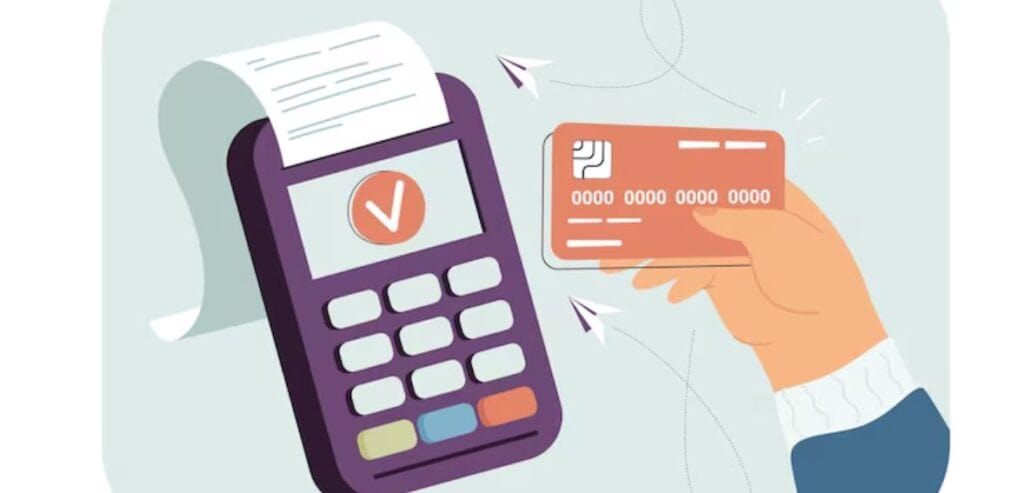
To reduce fraud-related chargebacks, EMV and security requirements are crucial. Chip-enabled transactions significantly reduce counterfeit card fraud and shift liability away from the merchant in many cases.
Convenience stores are required to make sure that all terminals, including petrol pumps, are periodically serviced and completely comply with EMV regulations. Equipment that is outdated or broken raises exposure and danger. Security audits, terminal inspections, and routine software upgrades all aid in resolving vulnerabilities.
Although it may seem expensive up front, investing in secure infrastructure provides long-term safety. One of the most dependable strategies to stop chargebacks and safeguard clients and the company in a world where fraud is always changing is to uphold strict security standards.
Communicating Policies Clearly
Reducing chargebacks requires clear policy communication. Policies regarding refunds, returns, and payments should be concise and simple to understand. There is little protection provided by policies that are only found in manuals or behind the counter. When expectations are communicated up front, customers are more receptive to results.
Conflicts are frequently sparked by emotions of injustice, which are reduced by transparency. Verbal explanations, receipts, and signage all serve to improve understanding. Simplicity is important in convenience retail since interactions are short. Customers are less inclined to contest transactions made via their bank when problems occur, when policies are presented clearly.
Partnering With the Right Payment Providers
In order to avoid and handle chargebacks, payment providers are crucial. Some processors provide convenience retail-specific solutions, including real-time notifications, analytics, and dispute advice. Retailers may react more quickly and efficiently by selecting partners that are informed about the sector.
Additionally, a solid supplier relationship facilitates better communication about new risks and compliance obligations. Retailers may adjust proactively rather than reactively when they collaborate. Instead of merely handling transactions, the ideal payment partner becomes an extension of the company, providing advice and assistance. Strategic alliances boost total payment resilience, lower risk, and increase results.
Conclusion
In convenience stores, chargebacks are not unavoidable. Even though the sector has particular difficulties, the majority of conflicts are caused by avoidable problems, including confusion, unclear rules, and inadequate communication. Convenience shops may drastically cut losses by identifying the most important triggers and taking systematic action to solve them.
Stronger payment connections, increased consumer trust, and margin protection are all benefits of effective chargeback management. In the end, prevention is about making every step of the transaction clear. Chargebacks become a controllable risk when prevention is integrated into daily operations. By doing this, merchants transform protection from a reactive burden into a competitive benefit.
FAQs
Why are chargebacks common in convenience retail?
Chargebacks are common due to fast transactions, small ticket sizes, limited customer interaction, and confusion around receipts, billing descriptors, and fuel pre-authorizations.
What is the most common cause of chargebacks in convenience stores?
Friendly fraud is one of the leading causes, often triggered by unclear billing descriptors or customers not recognizing a charge on their bank statement.
How can convenience stores reduce chargebacks at fuel pumps?
Ensuring EMV-compliant pumps, explaining preauthorization holds clearly, and maintaining secure, well-functioning equipment significantly reduce disputes.
Do clear refund policies really help prevent chargebacks?
Yes. When refund and return policies are clearly communicated, customers are less likely to dispute charges through their bank.
What happens if a store’s chargeback ratio gets too high?
High chargeback ratios can lead to higher processing fees, monitoring programs, restricted payment options, or even account termination.